11 Things We No Longer Buy as a Young Family (Sustainable Swaps & Savings)
Raising a young family often means a steady stream of expenses, from snacks to soap to seasonal clothes. But over the years, we’ve learned that many of these purchases just aren’t necessary. In fact, by choosing a few sustainable swaps, we’ve made our home more frugal, simple, and intentional.
Here are the everyday items we no longer buy and what we do instead to save money and reduce waste.

1. Paper Napkins
We gave up paper napkins and switched to cloth napkins. (Learn how to sew your own here!) They’re easy to toss in with a regular load of laundry, and they add a cozy touch to every meal. I also love that I can use different fabric for different seasons or holidays. They are also easy to make with old textiles (sheets, shirts, dresses, kids clothes).

2. Store-Bought Laundry Detergent
We now make our own powdered laundry detergent with a few simple ingredients. It’s gentle on our skin, free from harsh fragrances, and costs far less than store-bought brands.
3. Plastic Snack Bags
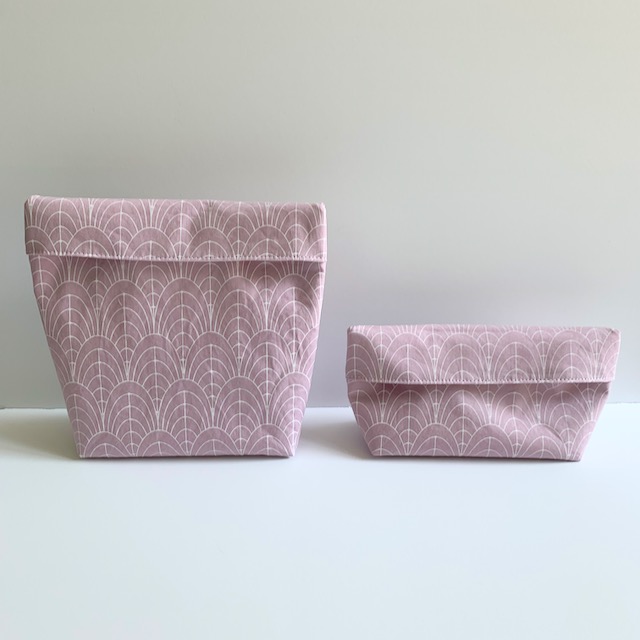
Instead of single-use plastic, we use homemade fabric snack bags and beeswax wraps. Click on the links to learn how to make your own! They’re perfect for school lunches, road trips, and picnics in the park.
4. Applesauce Pouches & Prepackaged Snacks
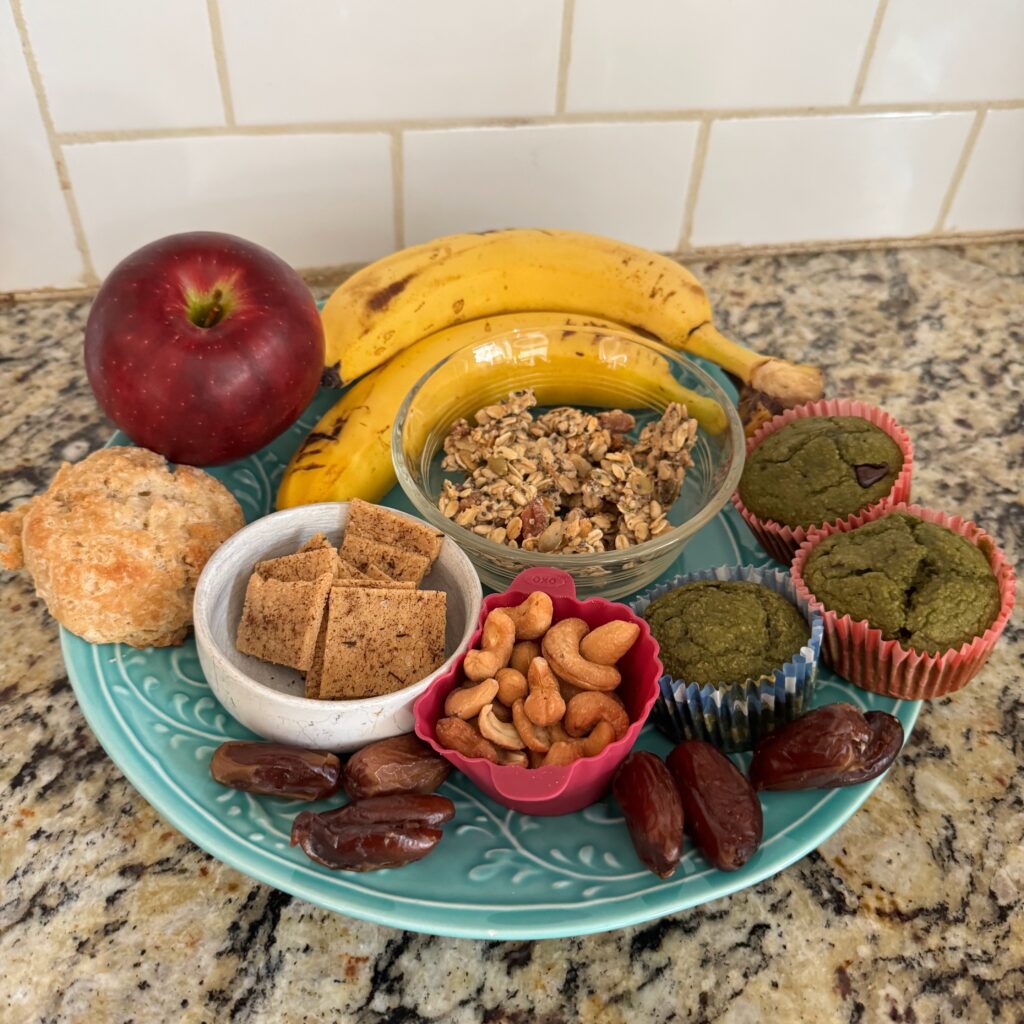
Prepackaged snacks and applesauce pouches were once a go-to, but they create a lot of waste and they seemed like such a small amount of food for what I paid for. Now, we make put apple sauce and yogurt in reusable pouches and make easy to grab snacks like muffins. It’s healthier, more affordable, and far less wasteful.

5. New Kids’ Clothes
Thanks to hand-me-downs from friends and family, we rarely buy new clothes for our kids. When we do, I try to sew them with scrap fabric or we check thrift stores and Facebook Marketplace first. It keeps textiles out of the landfill and saves us money.

6. Paper Towels
We swapped out paper towels for “unpaper” towels. They are incredibly easy to sew. You can also purchase them online. They typically made from cotton flannel fabric and can be used for everything from spills to cleaning windows, and we just wash and reuse. You could also just use traditional rags (cut up old clothes or textiles) instead of these and save even more money!

7. Craft Kits
My children do love an occasional craft kit or coloring book, but I do find they are more drawn to open ended materials instead. They can be content for hours with a large box and some markers, homemade play dough, or our junk mail, scissors, and glue.

8. Plastic Water Bottles
Each of us has our own reusable water bottle, which we bring on errands, hikes, and road trips. It’s one of the simplest swaps that saves money and reduces plastic waste. The key is to stick to just one or two water bottles and not indulge in a collection, which then kind of defeats the purpose of them being sustainable and cost effective!
9. Seasonal Décor
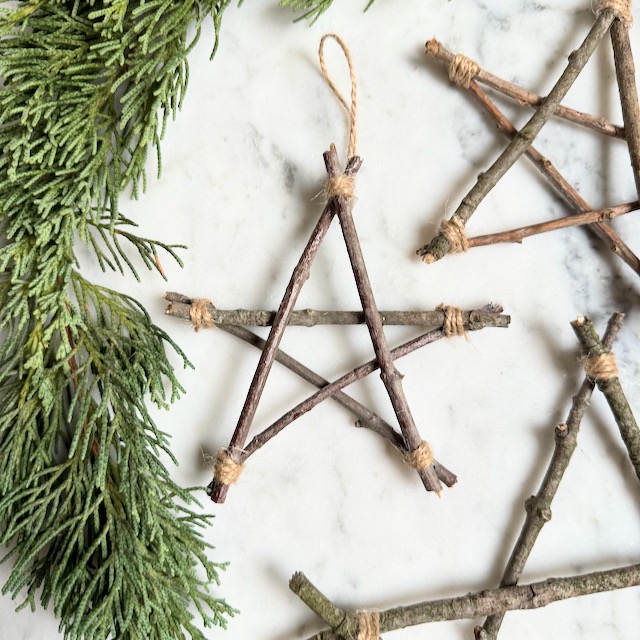
Rather than buying new décor for every holiday or season, we make our own using natural or reused materials. Think: bean mosaic bats for Halloween, beeswax leaves in fall, and dried oranges for winter. It’s fun, festive, and kid-friendly.

10. Traditional Hand Soap
Instead of buying pump bottles of liquid hand soap over and over, we use foaming soap dispensers filled with water and just a little castile soap. It stretches much further, reduces plastic waste, and is gentle on little hands.

11. Books
We love books, but we no longer buy them unless it’s a special gift or keepsake. Our local library is our best friend, we check out stacks of books every few weeks for bedtime stories, to foster whatever interest my children have at the time, and seasonal reads. It saves money (for our family $20k-30k a year!) and keeps our shelves (mostly) clutter-free.
Future Money Saving and Sustainable Swaps
Choosing what not to buy has helped our young family save money, reduce our environmental impact, and simplify daily life. Many of these sustainable swaps like using cloth napkins, library books, and homemade detergent don’t feel like sacrifices at all. They’ve become part of a slower, more intentional rhythm that we’re proud to model for our children.
As we progress through parenthood and continue to grow we hope to implement more sustainable swaps and money saving habits. If you have any suggestions, please leave them in the comments below!