How to Sew a Bread Bag

How to Sew a Bread Bag
If you’re looking for a simple sewing project that supports resourceful living, learning how to sew a bread bag is a great place to start. Reusable bread bags are practical, beginner-friendly, and last pretty much forever in comparison to their plastic counterpart.
Whether you bake your own bread or purchase loaves from a local bakery, a cloth bread bag keeps bread fresh while aligning with more sustainable, low-waste habits. If you’re already a sewer, you probably already have the materials on hand to make this! No need to buy more fabric, scraps will do!
In this post, I’ll walk you through how to sew a bread bag, discuss the best fabric choices, and explain why this project is such a great example of resourceful living.
Why Sew a Bread Bag?

Bread often comes wrapped in plastic, which is used once and then tossed. When you sew a bread bag, you’re creating a reusable alternative that can be washed, reused, and enjoyed for years. Cloth bread bags are breathable and help bread stay fresh by not trapping moisture the way plastic can. (In the meantime, I’ve found that a paper bag actually stores bread better than plastic bags!)
Another reason to sew a bread bag is that it’s a perfect scrap-busting project. You don’t need fancy materials or specialty tools, and you can often make one using fabric you already have at home, or even an old shirt or pillowcase.
Fabric Choices: What Works Best

Choosing the right fabric is key when you sew a bread bag. Since bread needs a bit of airflow to stay fresh, breathable natural fibers are best.
Linen (Best Choice)
Linen is the ideal fabric for a bread bag. It’s breathable, durable, and naturally antimicrobial, making it excellent for food storage. Linen allows air circulation while preventing excess moisture, which helps bread last longer without molding and keeps the crunchy exterior that we all love from a rustic loaf.
Cotton (Second Best)
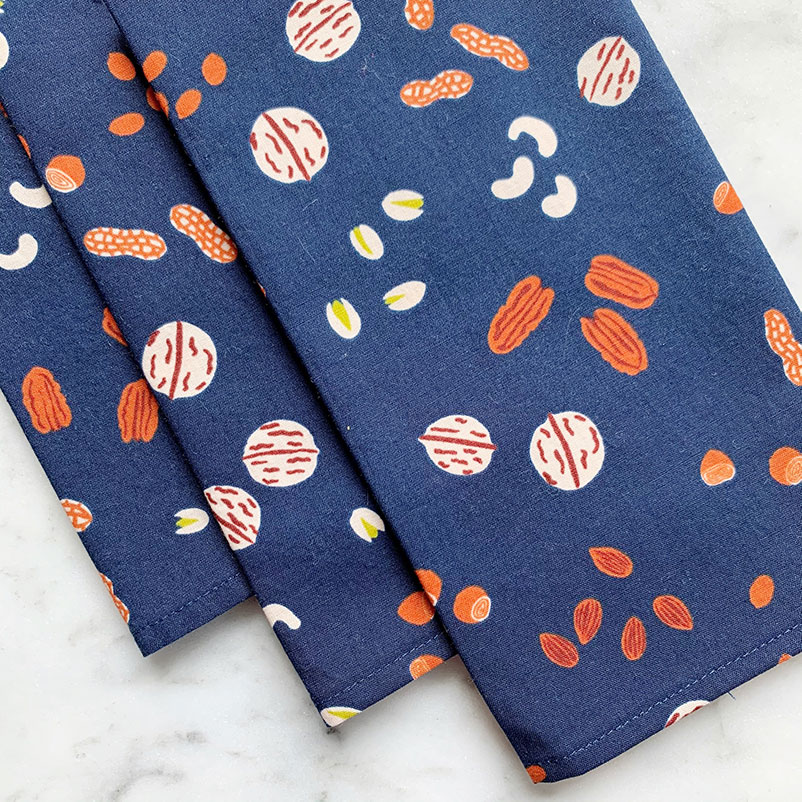
Cotton is a close second and much easier to find. Quilting cotton, lightweight canvas, or cotton from an old pillowcase works well. While cotton isn’t quite as breathable as linen, it’s still a solid choice when you sew a bread bag, especially if you’re using what you already own.
Resourceful Fabric Sources
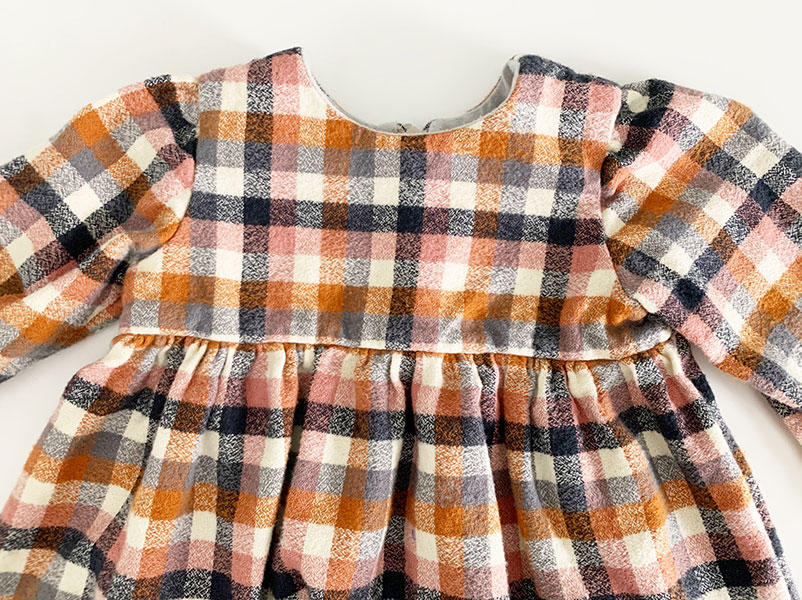
One of the most satisfying parts of this project is using reclaimed fabric. Consider cutting up:
- An old button-down shirt
- A worn but clean pillowcase
- Lightweight tablecloths or sheets
Using existing fabric is a great way to practice resourceful living and keep usable textiles out of the landfill.
How to Sew a Bread Bag
This project can be easily customized for different loaf sizes. The average bread bag size is around

1.Cut your fabric:
- Bag: cut two 13 inch x 16 inch rectangles
- Tie Closure: one 1.5 inch x 32 inch rectangle

2.Preiron top hem: This is my favorite hack for sewing any hem. Before you even sew, iron the hem in place. It is much easier to iron it when it is a flat piece! So, fold down the top short edge of each rectangle 1/4 inch and press. Fold down again (raw edge is enclosed) and press again.
You can put a few pins to hold the iron in place.

3.Sew the sides and bottom:
We are going to do French seams here for a nice tidy looking bag that is easier to clean! (If it sounds daunting, don’t worry, I’ll hold your hand through it!)
Place the fabric WRONG sides together (folded edges of the top hem should be on the INSIDE), unfold just the sides of the hem you ironed, and sew along both sides and the bottom using a 1/4” seam allowance.

Trim the edges to just under a 1/4 inch.
Fold the bag inside out. Give it a good press and push out the corners.

Sew along the sides and bottom again with a 3/8″ seam allowance.
Turn right side out and press.

4.Sew top hem: Make sure that your top hems are still folded down and that the edges meet nicely. Press again if you need to! Sew the hem down, staying as close to the folded edge as reasonably possible.

5.Box the corners: Fold the back inside out again. Align the seams of the bottom corners so they lay on top of each other. You should have a little triangle. Mark a line across the bottom of the triangle, 1.5 inches down from the top of the stitches. Sew across this line.

6.Create and secure the tie: I used a simple bias binding tie for my closure. To make this, fold the long rectangle in half and press. Open and bring each side into the middle and press. Fold the long rectangle in half again and press. (This secures the raw edges to the inside.)
Tuck in the ends to secure those raw edges. Sew along the edge to secure everything in place.
Find the center of your tie, mark it with a pin. Find the center of your bag, around two inches down from the top and attach the tie with a pin. Use a few stitches to secure your tie to your bag. (That way it’s always easy to find and use!)
Washing and Reusing Your Bread Bag
Another reason to sew a bread bag is how easy it is to maintain. Simply toss it in the wash when needed and let it air dry. Over time, the fabric will soften and become even better for storing bread. (If you want an unscented DIY laundry detergent, check out the recipe I’ve been using for years here!)
Reusable bread bags are a small but meaningful step toward reducing household waste. Each time you reach for your cloth bag instead of a plastic one, you’re practicing resourceful living in a very tangible way.
A Simple Project with a Big Impact

When you sew a bread bag, you’re combining sewing skills, sustainability, and everyday practicality. It’s a quick project that makes a lasting difference, especially when made from reclaimed fabric. Whether you’re new to sewing or looking for a thoughtful handmade gift, a reusable bread bag is a beautiful reminder that small, intentional choices add up.
Happy sewing and happy bread storing!